
Last updated
What Is a Portable Sink Station?
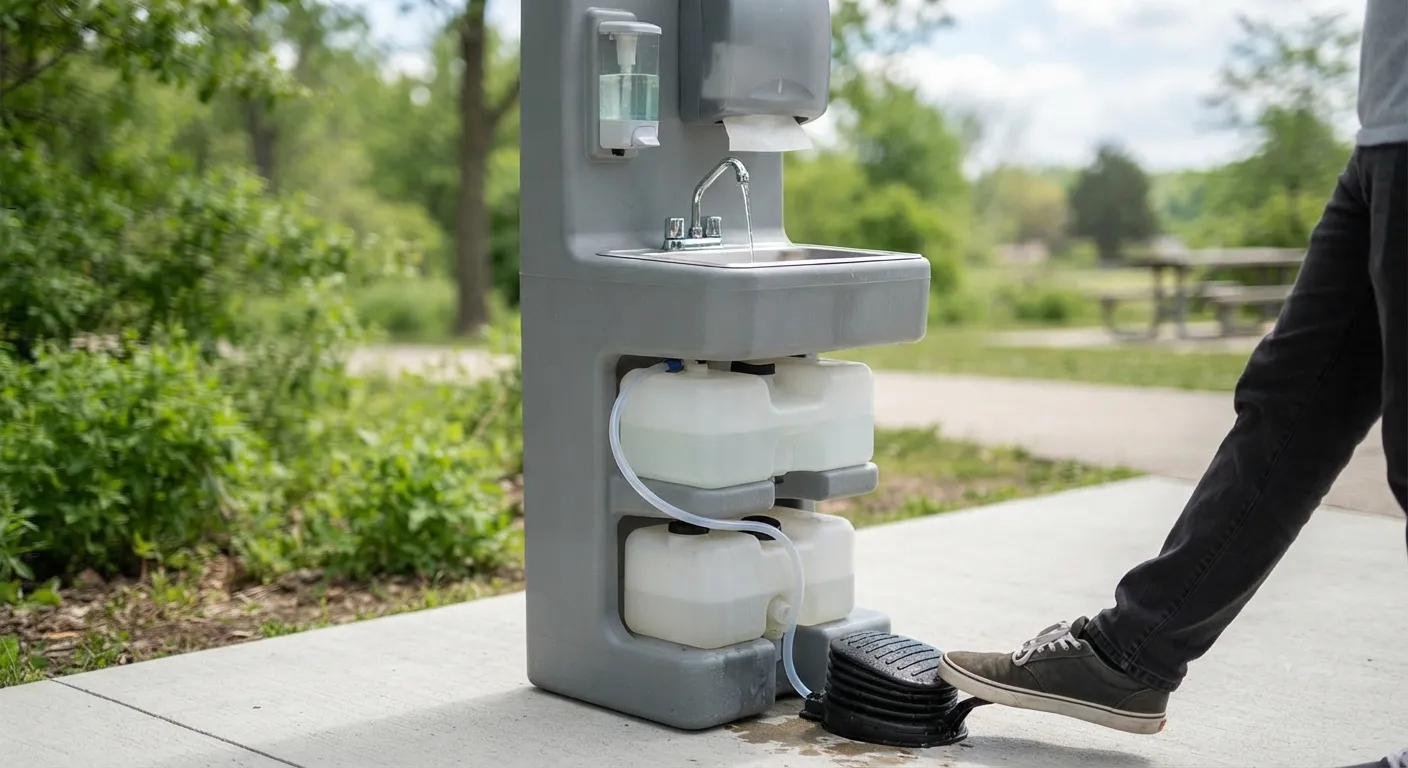
A portable sink station is a self-contained handwashing unit with a fresh water tank on top, a basin, and a gray water tank underneath to catch the runoff. No sewer line, no hose bib required. Some models heat the water, which matters more than people think once fall hits in Chattanooga. Soap and towels have to be on hand too, since 29 CFR 1910.141(d)(2) requires soap and towels or a hand-drying device at washing facilities, and hand sanitizer alone does not satisfy that rule. That single line is why we do not just drop a jug of sanitizer and call it done. For crews using paints, coatings, herbicides, or insecticides, OSHA 1926.51(f)(1) requires washing facilities on top of that, because those contaminants need actual soap and water, not a wipe-down. If you are staffing a construction crew, pair the sink with a look at OSHA portable toilet requirements so your whole sanitation setup passes inspection the first time. Renters comparing options across unit types can also check portable toilet rental cost to see how a sink fits into a broader rental.
Can I Use a Portable Sink for Washing Hair?
Yes, and it is one of the more common requests we get for camps, disaster relief sites, and long-term work crews. A portable sink for hair washing needs a deeper basin and steady water flow, not a shallow handwashing bowl, so tell us up front if that is the plan. Hot water portable sink models make a real difference here since nobody wants a cold rinse outdoors in a Chattanooga winter. Camping portable sink setups follow the same logic: a family or crew staying multiple nights needs a larger fresh water tank so the unit does not run dry by day two. If you are stocking a remote site for disaster relief sanitation or a multi-week camping porta potty setup, we size the tank to the headcount and the number of days between refills, not just the event length.
How Big Are Portable Sink Water Tanks?
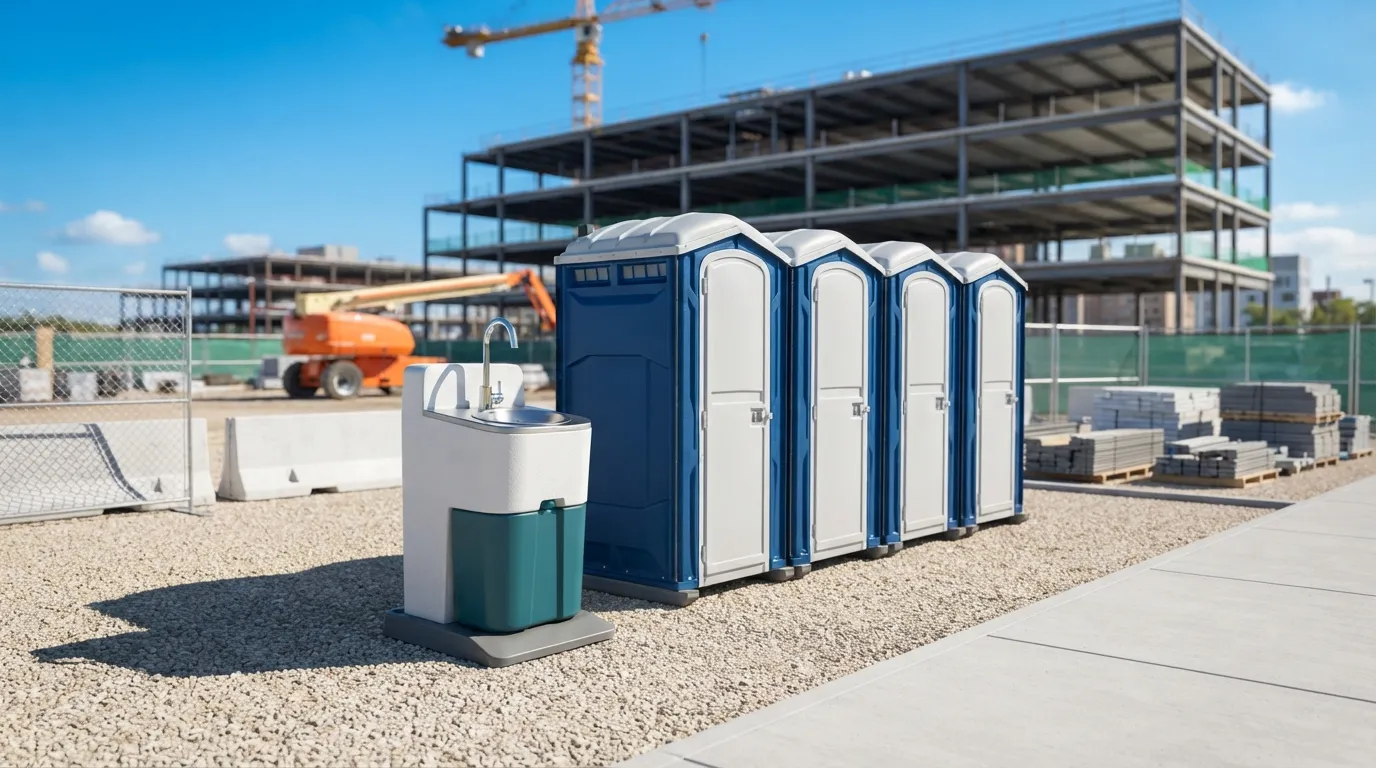
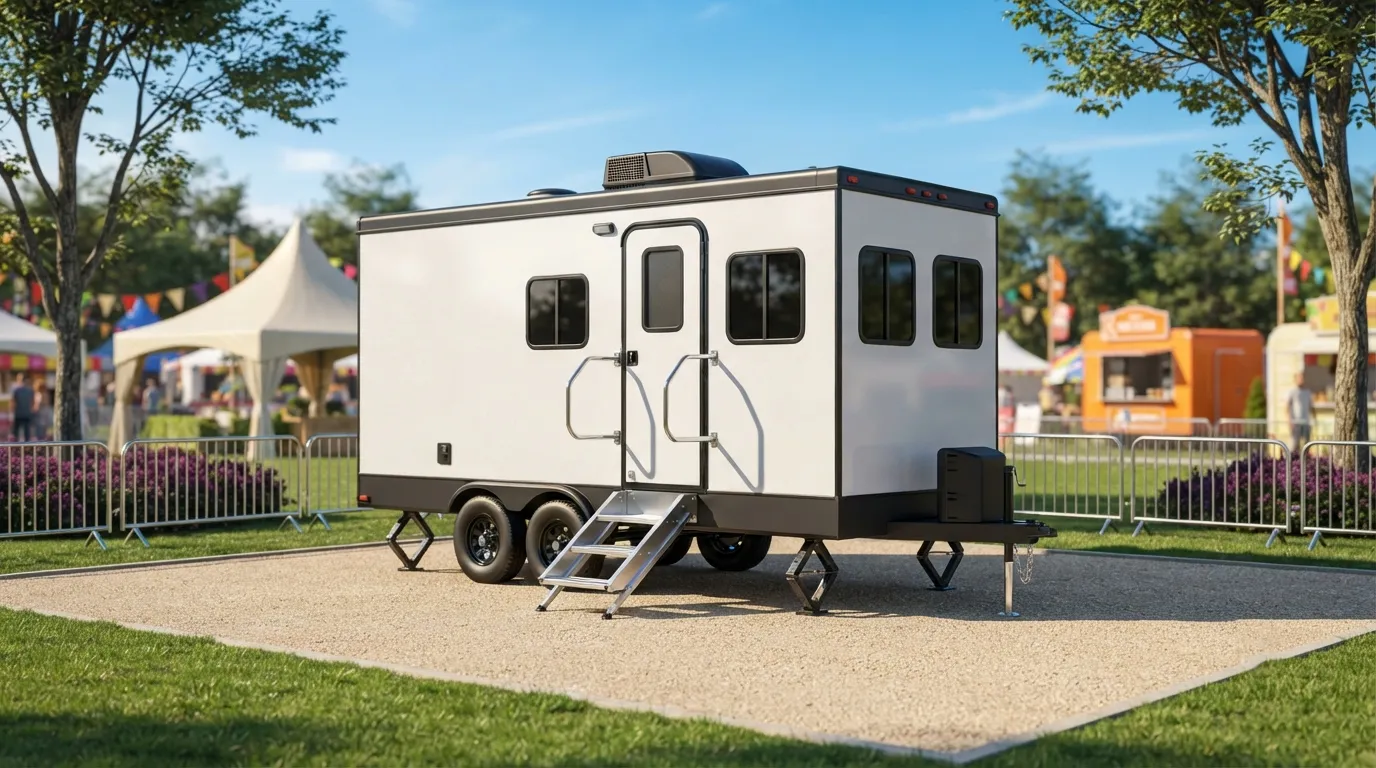
Tank size depends on the model and expected use, and we size portable sink water tanks around how many people wash up and how often the unit gets serviced. A single-basin unit for a small crew needs less capacity than a multi-station setup feeding a wedding or festival crowd. The baseline service interval used across the portable sanitation industry, per ANSI/PSAI Z4.3, is one visit per week for up to 10 users over a standard 40-hour week, and that same rhythm guides how often we top off a sink's fresh water and pump its gray water. Larger events need tighter intervals. If you are planning a festival restroom rental or concert restroom rental with a sink station attached, we walk through expected foot traffic before quoting a service schedule. For a wedding, see wedding restroom rental for how sinks typically pair with a deluxe flushable porta potty or a trailer unit.
Where Should a Portable Sink Station Be Placed?
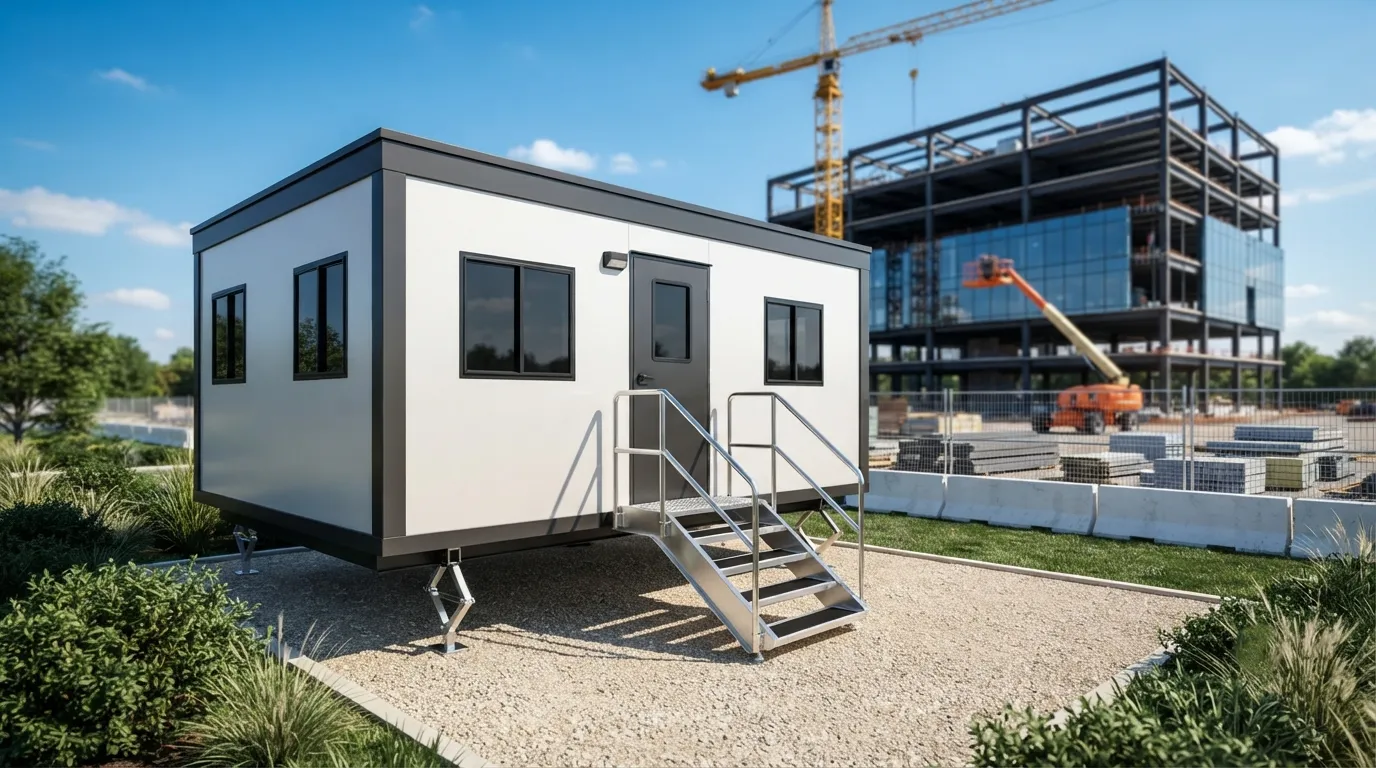
Placement matters as much as tank size. A portable sink needs stable, level ground, firm enough that it will not tip or sink into mud, which echoes the same stability standard used for accessible routes under ADA Standards section 302.1. Keep it close enough to the toilets that people actually use it, but far enough that gray water runoff does not pool near foot traffic. For construction sites, ADA Standards section 213.2 also requires that at least 5 percent of any cluster of single-user toilet units be accessible, so if you are ordering sinks alongside toilets for a larger crew, we factor that into the layout. Our porta potty placement guide covers ground conditions and clearance in more depth. Delivery access matters too. A standard delivery truck needs clear drive access, and any spot within reach of our Chattanooga service area, including East Ridge at 6.6 miles south or Red Bank at 9.3 miles northwest, gets the same placement review before drop-off. For remote farm sites, check farm and agricultural restrooms, since OSHA 1928.110 requires field sanitation facilities, including potable water, within a quarter mile walk of hand-labor employees.
Pricing Reference
| item | duration | typical range |
|---|---|---|
| standard portable toilet | day | $100 to $350 |
| standard portable toilet | week | $130 to $500 |
| deluxe flushable unit | day | $85 to $1200 |
| delivery fee | day | $100 to $500 |
Sink station pricing runs alongside toilet and delivery costs depending on tank size and service frequency; ask for a quote once we know headcount and duration. See porta potty rental per day and monthly porta potty rental for how longer terms compare.
How often does a portable sink need to be refilled?
It depends on headcount and use, but the ANSI/PSAI Z4.3 baseline of one service visit per week for up to 10 users is a fair starting point. Heavier use, like hair washing or food prep, shortens that interval. We build the schedule around your actual crew or guest count.
Does a portable sink need soap and towels?
Yes. Under 29 CFR 1910.141(d)(2), washing facilities need soap and towels or a hand-drying device. Hand sanitizer does not meet that requirement on its own. We stock every sink station with both before delivery, and restock on each service visit.
Can a portable sink provide hot water?
Some models do, and a hot water portable sink is worth requesting for cold months or hair washing needs. Not every unit heats water by default, so mention it when you request a quote so we bring the right model to your Chattanooga site.
What is the difference between a portable sink and a handwashing station?
They overlap, but a portable sink usually means a larger basin built for washing hands, hair, or dishes, while a compact handwashing station rental is built purely for quick handwashing. Both need soap and towels under 29 CFR 1910.141(d)(2).
Do I need a permit to place a portable sink on my property?
Placement in a public right of way needs confirming with the City of Chattanooga before delivery. On private property, it is usually straightforward. Check our porta potty permit requirements page or ask us directly when you request a quote.
Next step
Get a delivery date
Tell us the address, the dates and the headcount. We size the order and confirm the route.