
Last updated
How Do Porta Potties Work?
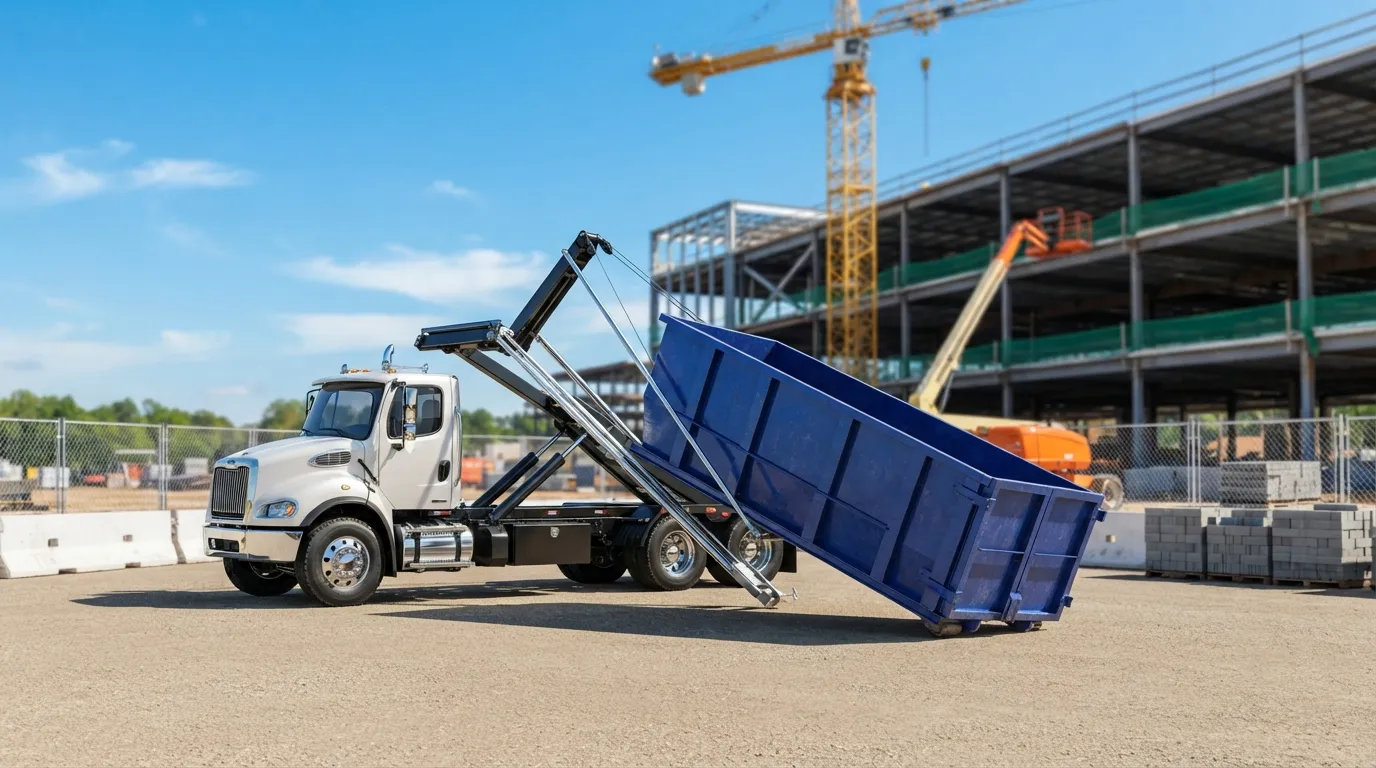
Picture a construction worker running to a porta potty on a break, three units lined up near the trailer at a job site off a Chattanooga road, the kind covered on the porta potty rental in Chattanooga, TN page. He steps up, closes the door, and the unit does its job with zero connection to city water or sewer. Underneath the seat sits a holding tank, about 60 to 70 gallons, chemically treated to knock down odor and start breaking down waste. A standard unit measures roughly 44 by 48 inches on the ground and stands about 92 inches tall, so it fits tight jobsite corners without eating up staging space. There is no flush handle on a standard porta potty rental. It is a holding system, not a plumbing system. When the tank nears capacity, a service truck pumps it out, rinses it, and restocks paper, the same rhythm covered under portable toilet rental service plans. ANSI/PSAI Z4.3, the industry sanitation standard, sets a baseline of one service visit per week for up to 10 users across a 40-hour week, though busier sites need more frequent stops. That is the whole mechanism. Simple tank, simple chemistry, scheduled pumping, the same setup you will find on any porta john rental at a Chattanooga job site.
How Do Flushable Porta Potties Work?
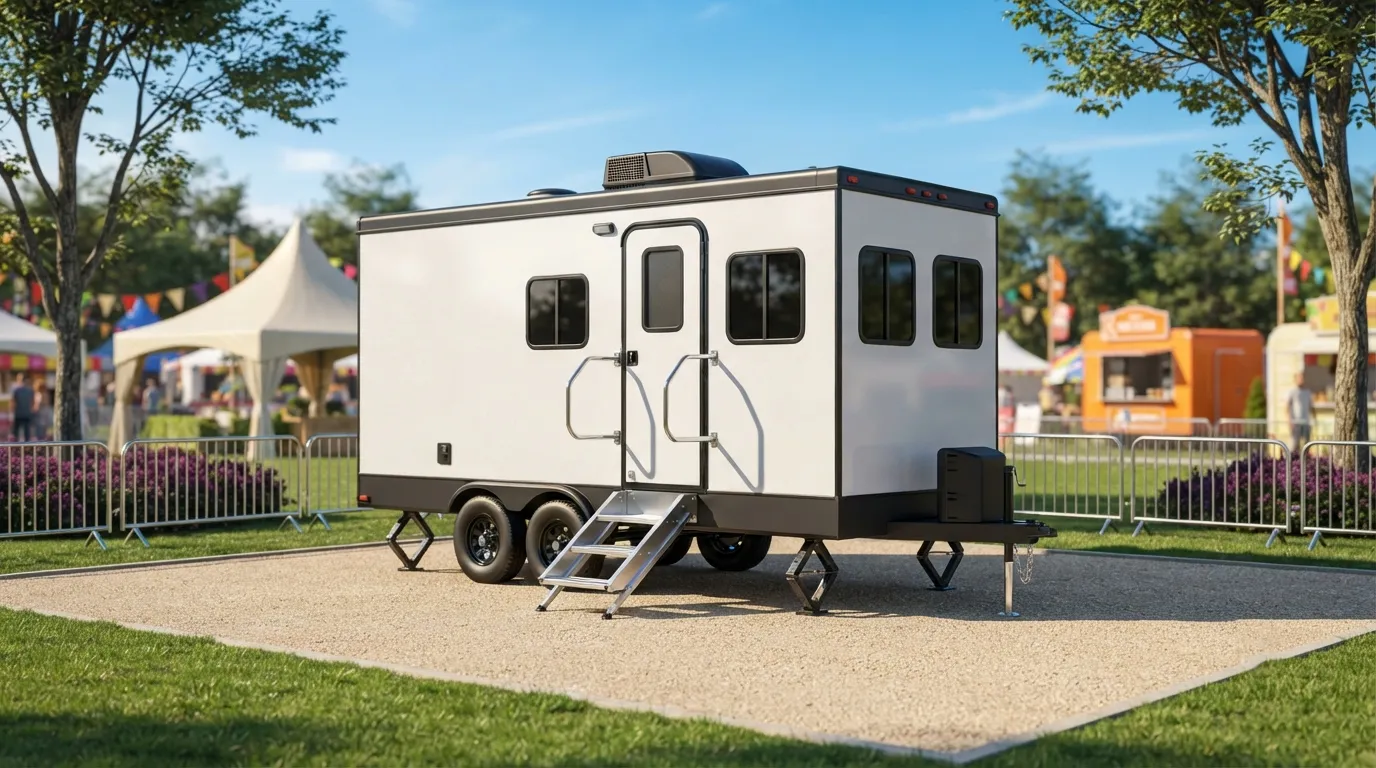
A deluxe flushable porta potty adds a small onboard freshwater reservoir and a foot pump or handle that pushes a measured rinse into the bowl after each use. It still drains into the same sealed holding tank below, just like a portable restroom rental unit, so nothing runs into the ground. The flush does not connect to a well or city line. It is a self-contained loop: clean water in, waste held below, no discharge on-site. These units run higher than a standard rental, so weigh the upgrade against the length of your Chattanooga event or crew job before booking, and check the porta potty rental cost page for how the numbers compare. Weddings, festivals, and office parking lots tend to justify the cost, since guests notice the difference immediately, which is why wedding restroom rental and festival restroom rental packages usually default to the flushable tier. A restroom trailer rental takes this concept further, with multiple flushing stalls, sinks, and sometimes climate control, built for larger crowds or multi-day builds. Both flushable units and trailers still need pumping once the holding tank fills, so service frequency does not disappear just because there is a flush handle, and a longer booking is worth comparing against monthly porta potty rental rates. Check the porta potty rental checklist before your event if you are unsure which tier fits your headcount.
How Does a Portable Sink Work?
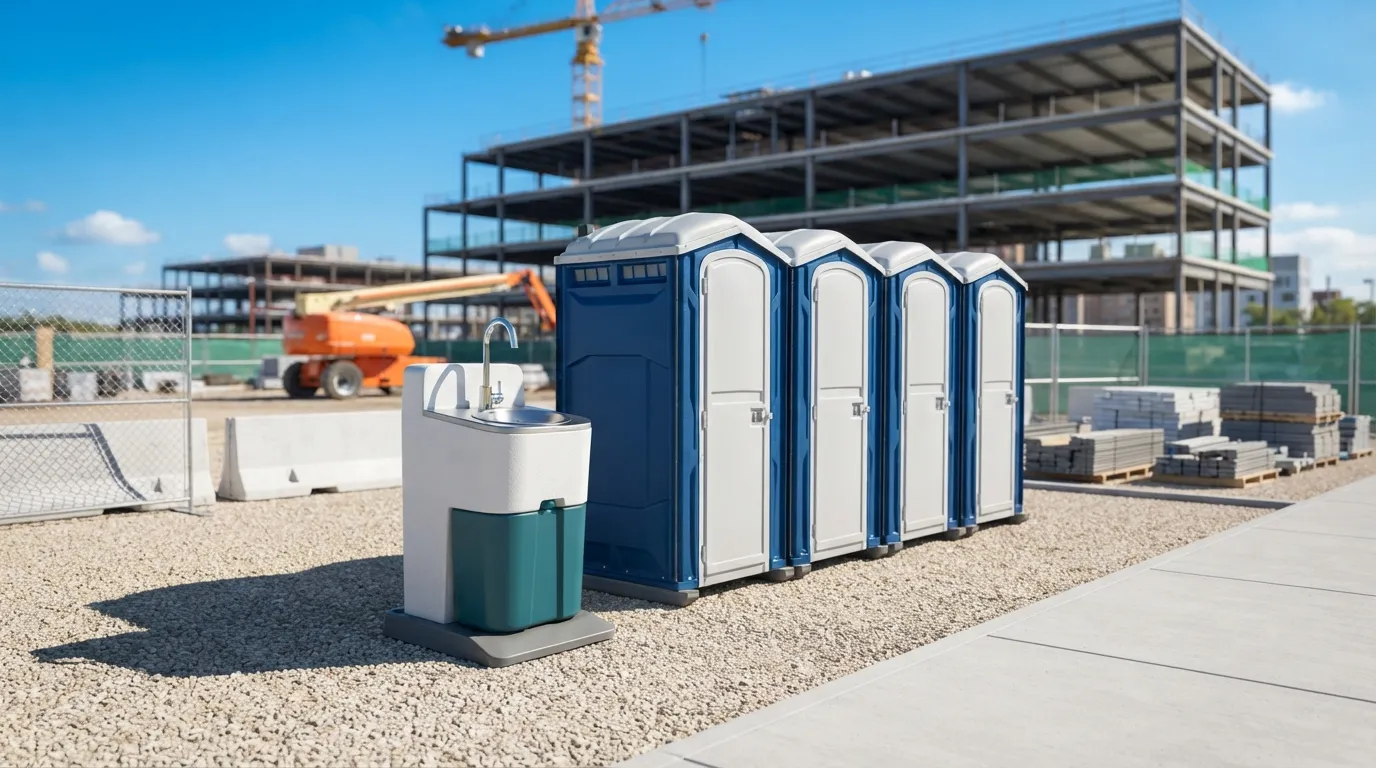
A portable sink is a standalone unit with its own freshwater tank, a foot pump or hands-free pump, and a gray water tank underneath to catch runoff. Nothing hooks to a building. Fill the freshwater side, and the pump pressurizes just enough for a rinse and soap cycle. Under 29 CFR 1910.141(d)(2), washing facilities need soap and a way to dry hands, towels or a device, since hand sanitizer alone does not satisfy that requirement. A handwashing station rental is built around that standard. If your crew is applying paints, coatings, herbicides, or insecticides, OSHA 1926.51(f)(1) specifically requires washing facilities for that contaminant exposure, separate from general sanitation needs. A portable sink rental covers both cases: food trucks, job sites, and outdoor events near Chattanooga all use the same basic mechanics, and the rules behind it are summarized on handwashing station requirements. Pair it with a hand sanitizer station rental as a backup, not a replacement, on sites where OSHA 1926.51(a)(1) potable water access already applies.
Why Do Porta Potties Need Chemicals?
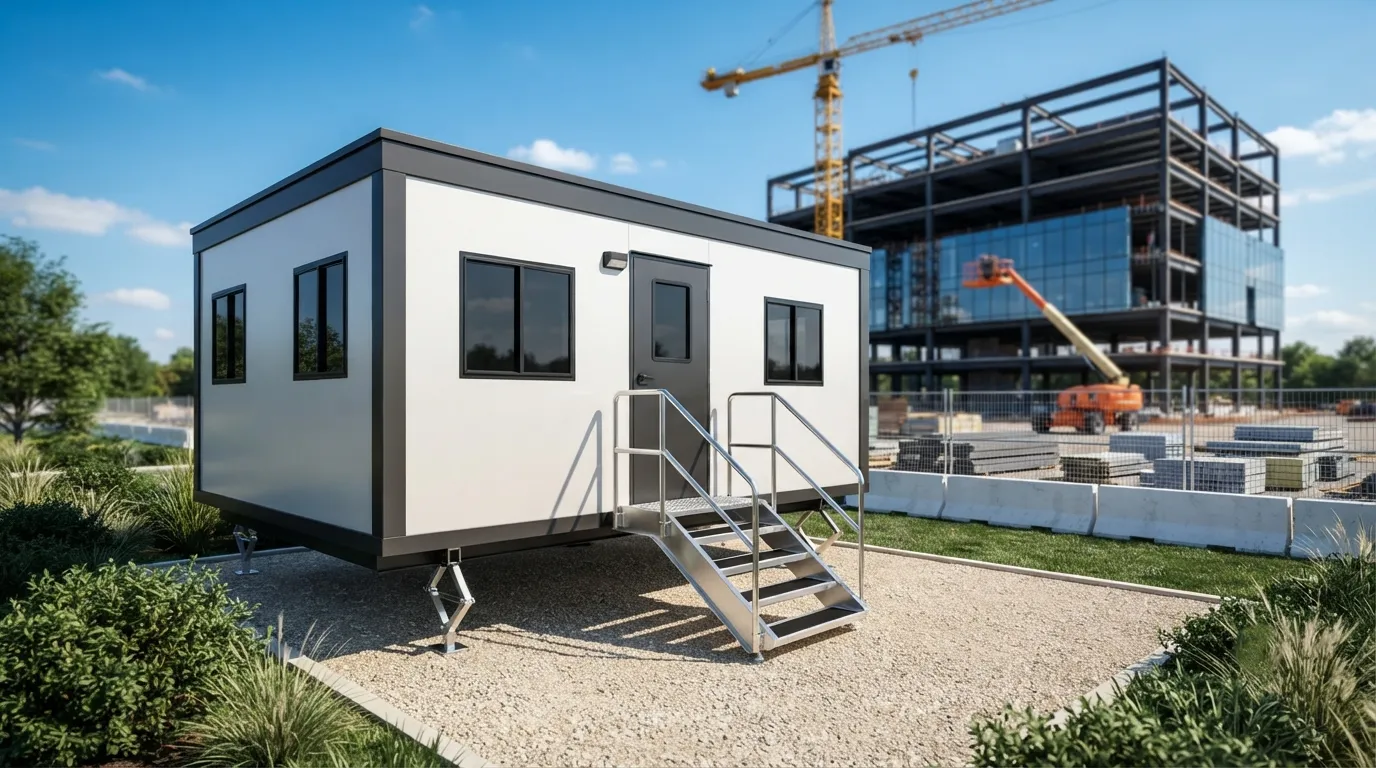
The blue liquid is not just for smell. Porta potty chemicals contain deodorizers, dye, and enzymes or formaldehyde-based agents that break down solid waste and suppress bacterial odor between pumps. Anyone searching "portable toilet chemicals near me" is usually restocking a unit they own rather than rent, but Chattanooga Porta Pros pre-treats every tank before delivery so customers never touch the chemistry. This matters more in summer heat, when a Chattanooga jobsite six miles from East Ridge or nine miles from Red Bank can see tank temperatures climb fast, accelerating both breakdown and odor if service is skipped. Camping porta potties use a lighter version of the same idea, similar to what is described on camping porta potty. How do camping porta potties work? Smaller tank, same chemical concept, often a bag-style or cassette system for sites without vehicle access to a pump truck. For septic-connected systems, the comparison is different. A residential septic tank typically needs pumping every 3 to 5 years depending on tank size and household load, a separate process covered under septic pumping service rather than portable rental chemistry.
FAQ
Do porta potties smell if serviced on schedule?
Not noticeably. The chemical treatment controls odor between visits, and how often are porta potties cleaned explains typical intervals, a question also covered on do porta potties smell. Heat, high use, and skipped service visits are what cause smell complaints, not the units themselves.
Can I run a porta potty in winter without freezing issues?
Yes, with adjustments. Chemical formulas change for cold weather, and placement matters. See porta potty in winter for how Chattanooga Porta Pros handles freeze protection on standard units.
Are ADA-accessible units built differently?
Yes. Under ADA Standards 213.2, at least 5 percent of clustered units must be accessible, with a 60 inch turning circle per ADA 304.3.1. Details are on ADA accessible porta potty.
What OSHA rule covers toilet counts on a jobsite?
OSHA 1926.51(c) sets ratios: one toilet for 20 or fewer workers, scaling up from there. Full breakdown is on OSHA portable toilet requirements for Chattanooga contractors, and placement questions belong on the porta potty placement guide.
How many units does my event actually need?
It depends on headcount and hours, not just guest count. How many porta potties do I need walks through the math for weddings, festivals, and multi-day builds near Chattanooga.
Next step
Get a delivery date
Tell us the address, the dates and the headcount. We size the order and confirm the route.